Blog
Best Bed for a Small Bedroom A Practical Guide

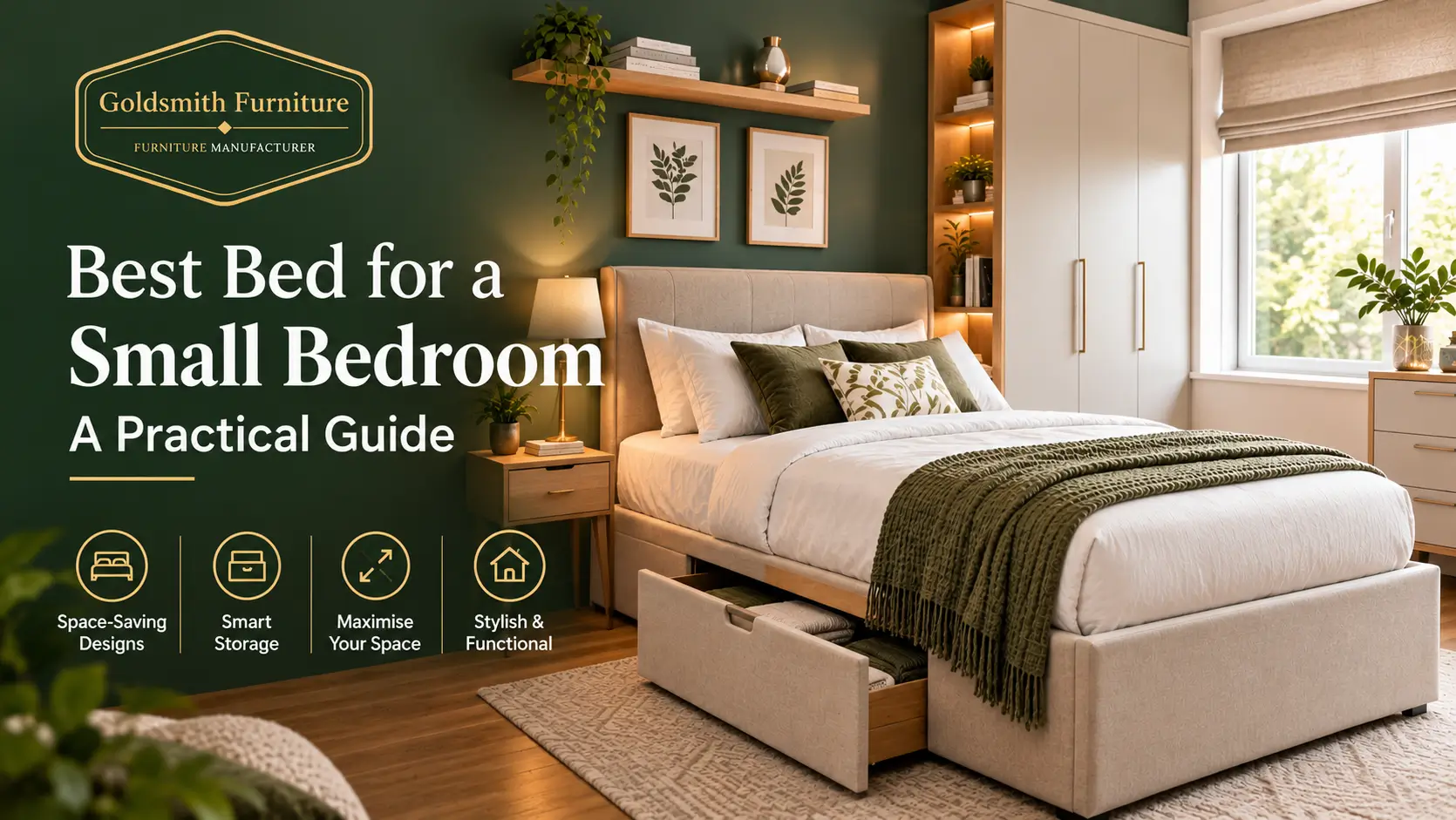
A small bedroom does not have to mean choosing the smallest possible bed. The right size and style depends on how the room is used, how the bed is built, and a few practical decisions that make far more difference than most buying guides mention. This is particularly relevant across Northern Ireland, where second and third bedrooms in many newer developments are genuinely compact, often well under the room sizes assumed by generic bed buying guides.
We build bed frames across every size in our Belfast workshop, and small bedroom orders are a regular part of what we deliver, so this guide reflects what actually works in practice rather than a generic size chart.
Start With the Room, Not the Bed
Before choosing a size, measure the room properly and mark out the bed footprint on the floor with tape, including the full frame size rather than just the mattress dimensions. A double bed frame typically adds 10 to 15cm beyond the 135cm by 190cm mattress size once the headboard and side rails are included, and this extra margin is exactly what gets missed when a room is judged as spacious enough by eye alone.
Leave a genuine walking gap of at least 60cm on at least one side of the bed. A room that technically fits a double but leaves no usable floor space around it will feel smaller day to day than a room with a single or small double and proper clearance to move around.
Which Size Actually Works in a Small Room
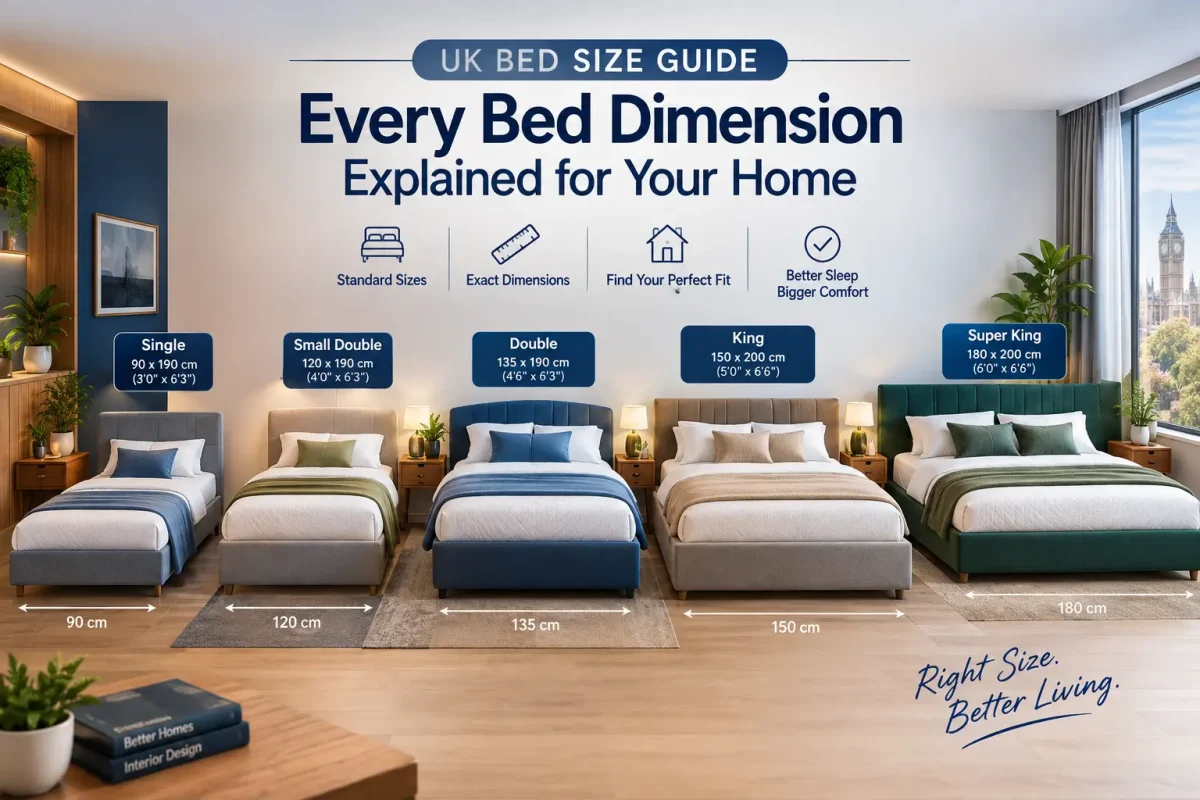
| Bed Size | Works Well When | Watch Out For |
|---|---|---|
| Single | Genuinely tight box rooms, guest rooms | Can feel restrictive for regular adult use |
| Small Double | Solo adult wanting more room, or a genuinely compact shared room | Still narrower than most couples expect long term |
| Double | Small to mid sized rooms with at least 3m of usable width | Can dominate a genuinely small room if clearance is not checked first |
A small double is genuinely the size that earns its place most often in a compact room. It gives noticeably more room than a single without the width demands of a full double, and it is the size we recommend most frequently for second bedrooms across Belfast and the wider Northern Ireland housing stock.
Choose a Frame Style That Does Not Overwhelm the Room
Bed style affects how large a room feels just as much as bed size does. A tall wingback frame with wide side wings can visually dominate a small room even at the same mattress size as a simpler frame, since the eye reads the full width of the wings, not just the mattress footprint underneath.
A lower profile panel or simple upholstered frame tends to suit a small bedroom better, since it takes up less visual space even though the actual floor footprint may be identical to a bulkier design. If you do want an upholstered statement headboard in a small room, choosing one in a lighter or more neutral fabric tone helps it recede visually rather than dominating the space.
Headboard height is worth checking separately from overall frame width. A tall headboard reaching close to the ceiling in a room with lower ceilings, common in some older Northern Ireland terraces, can make the room feel shorter than it actually is, while a lower profile headboard leaves more visible wall space above the bed and helps the room read as taller and more open.
Storage Beds Are Worth Considering Early
Small bedrooms rarely have room for a separate chest of drawers or storage unit alongside a wardrobe, which makes storage built into the bed base genuinely useful rather than a nice extra. A divan base with drawers adds storage without adding to the footprint beyond the mattress size itself, and the base typically splits into two halves, which also makes it easier to get up a narrow staircase common in older Northern Ireland properties.
An ottoman base holds more overall but needs some clearance around the bed to lift the mattress, which matters more in a genuinely small room. In a very compact space, a divan with drawers is usually the more practical choice, while an ottoman suits a small bedroom better once there is at least some clearance around the foot or side of the bed to lift it.
Colour and Fabric Choices That Help a Small Room Feel Larger
Fabric colour on an upholstered headboard has a genuine effect on how a small room feels, separate from the physical size of the bed itself. Lighter tones such as pale grey, oatmeal, or soft blue reflect more light around the room and tend to recede visually against the walls, while darker tones such as deep navy or charcoal create more visual weight and can make the bed feel like a larger object in the room even at the same physical size.
This does not mean a small bedroom has to avoid darker colours entirely. A darker headboard paired with a lighter wall colour behind it can still work well, since the contrast keeps the bed from blending into a dark backdrop and losing definition, while the lighter wall continues to do the work of keeping the room feeling open.
Positioning the Bed to Maximise the Room
Where the bed sits in a small room matters almost as much as its size. Placing the bed against the longest unbroken wall, rather than tucked into a corner formed by a window or door, generally gives the most usable floor space around the remaining furniture. Avoid centring a bed under a sloped ceiling in a converted loft room, since head clearance becomes a genuine practical issue even if the floor space technically allows it.
If the room has an awkward alcove or a chimney breast, measuring around these features before deciding on bed size often reveals more usable space than expected, since a bed positioned to work with the room’s actual shape can end up feeling far less cramped than one that ignores these features entirely.
Frequently Asked Questions
What is the best bed size for a small bedroom
A small double is generally the best balance for a small bedroom, giving more comfortable sleeping space than a single without the width demands of a full double. A single remains the right choice for genuinely tight box rooms.
Does bed frame style matter as much as bed size in a small room
Yes. A tall or wide frame style, such as a wingback with large side wings, can make a small room feel more cramped than a lower profile frame at the exact same mattress size, since the visual footprint is larger even though the floor space used may be similar.
Is a storage bed a good idea for a small bedroom
Generally yes, since small bedrooms rarely have room for separate storage furniture. A divan base with drawers is usually the more practical option in a very compact room, since it does not need extra clearance to open, unlike an ottoman lift up base.
How much walking space should I leave around a bed in a small room
Aim for at least 60cm of clear space on one side of the bed and at the foot of the bed. Less than this tends to make the room feel cramped day to day, even if the bed itself technically fits.
Should I choose a smaller bed than I actually want to save space
Not necessarily. It is often better to choose the largest size that genuinely fits with proper clearance, rather than downsizing further than needed. A small double that leaves adequate walking space is usually a better outcome than a single bought purely to be cautious about space.
Can I fit a double bed in a very small bedroom
It depends entirely on the room’s actual width and shape, not just its overall square footage. Measure the full frame footprint plus at least 60cm of clearance on one side before assuming a double will work, since a room that looks reasonably sized can still be too narrow once walking space is properly accounted for.
Making the Right Choice
Measure the room properly before choosing a size, account for the full frame footprint rather than the mattress alone, and think about frame style and storage as seriously as you think about size itself. A well chosen small double with a lower profile frame and drawer storage often makes a compact bedroom feel more organised and comfortable than a larger bed squeezed in without enough clearance around it.
None of these decisions need to be made in isolation. Size, style, storage, and colour all work together, and getting two or three of them right usually matters more than obsessing over any single factor on its own.